乗車券Your trip to Tokyo
Staying at
Tokyo東京Pick your dates
A guide for friends visiting
Where to eat, drink and go, pulled together from lists worth trusting. Tell it where you're staying and when, and it works around your trip.
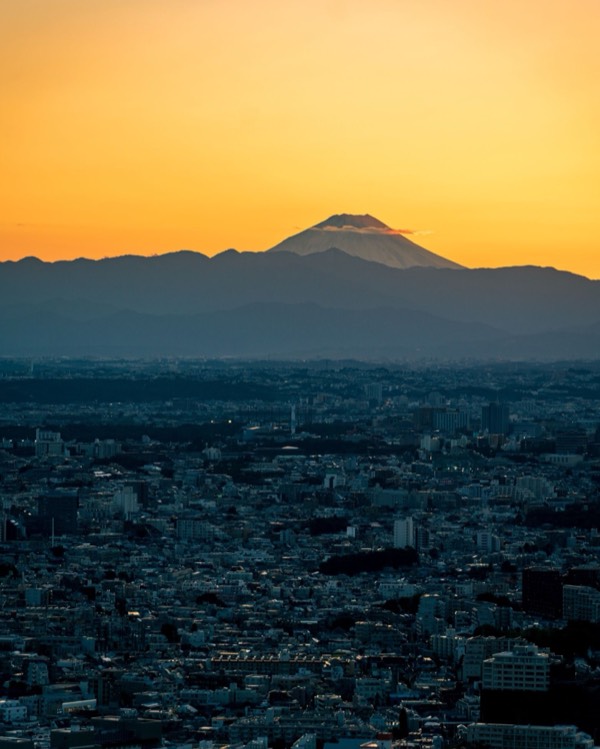
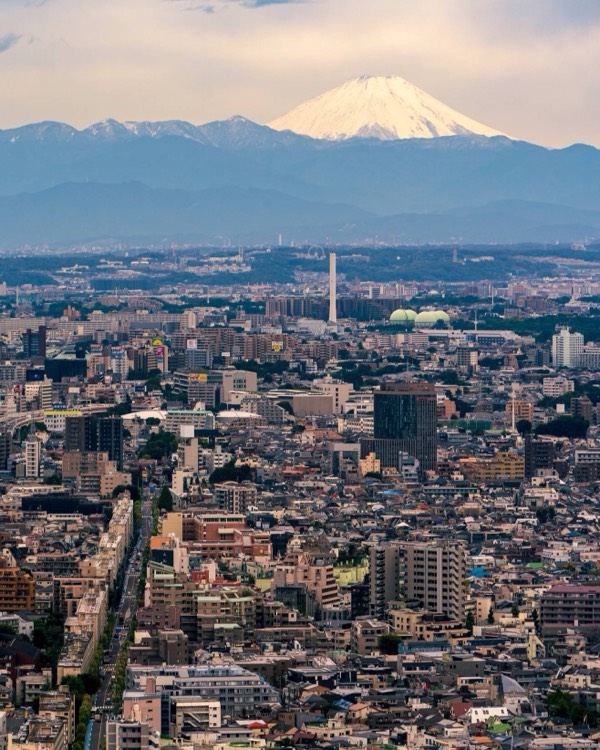
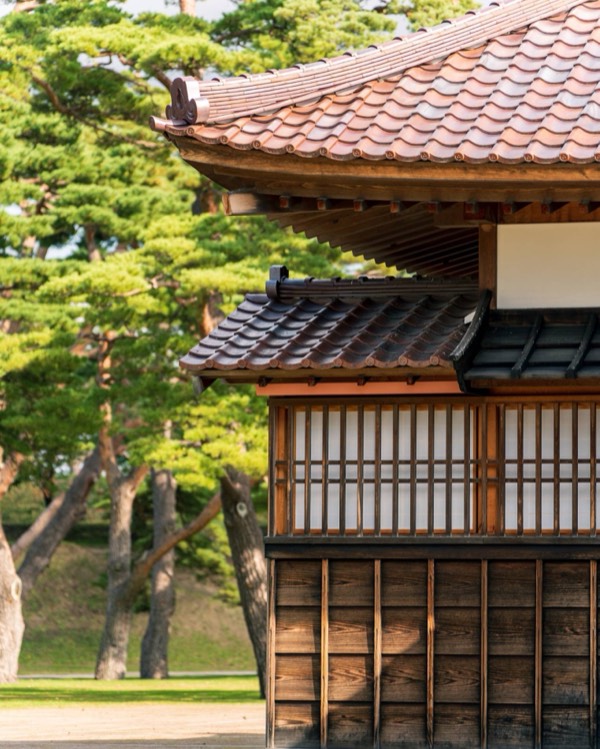
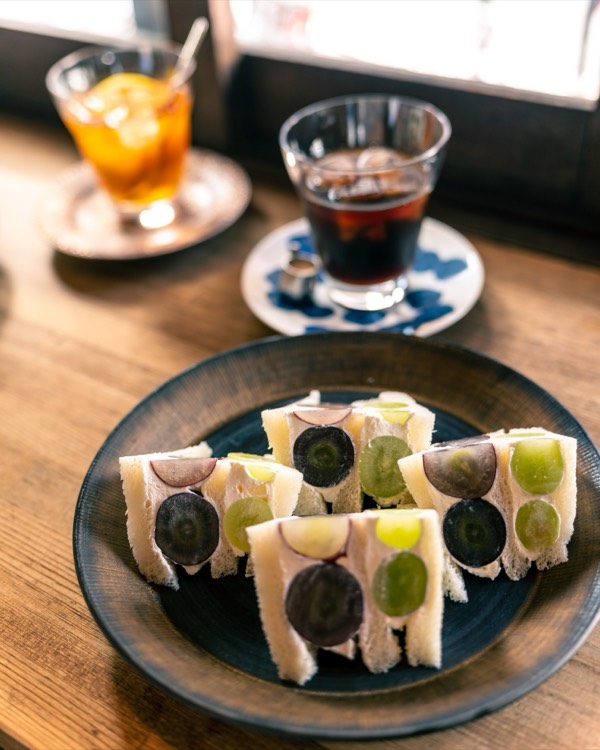
Photos by Dom. On clear days, mostly from late autumn to early spring, you can see Fuji from high up in the city.
Add where you're staying and your dates. The list and map then show how far everything is from you, and a card appears here for each day.
Daily rate from the European Central Bank, . Your card or exchange counter will differ a little.
Forecast from Open-Meteo.
Japan stays on the same time all year, with no daylight saving.
Everything here comes from a list we trust, and you can see which on each card. A place named by two or more different publications is marked as a top pick.
Each day of your trip gets its own card. Add places from the list, or type in anything else you've got going on.
A few things in Tokyo can't wait until you land. Once your dates are in, some of these show the exact day to act.
There's no ticket desk at the door. Tickets go on sale the 10th of the month before your visit, at 10:00 am Tokyo time, and popular days go fast. Use the museum's own ticket page, since it warns about lookalike sites.
Starred counters and small omakase rooms can fill up weeks or months out, and some only take bookings through a hotel or by phone. Your hotel's concierge may be able to help. Filter the list by Splurge to see them.
Worth buying ahead: Shibuya Sky (sunset slots go first), teamLab Borderless, teamLab Planets, the Yayoi Kusama Museum (online only) and the Warner Bros. Studio Tour.
Tokyo hosts three of the year's tournaments, in January, May and September, at the Ryogoku Kokugikan. Check the official sumo site for tickets.
On an iPhone, you can add Suica or PASMO to Apple Wallet before you fly. Otherwise, get a card at the airport or any big station. It works on nearly every train and bus, and at convenience stores.
You'll lean on maps and translation all day. An eSIM is the easy way, as long as your phone is unlocked. Set it up before you leave.
Japan's Visit Japan Web lets you fill in immigration and customs details ahead of time, then show a QR code when you land.
Cards work in plenty of places, but small restaurants and ticket machines can still be cash only. ATMs at 7-Eleven are an easy way to get yen after you land.
Your ticks are saved in this browser only, so everyone keeps their own list.
The small stuff that makes a first trip easier.
Trains go almost everywhere, and Google Maps handles the routes and platforms well. Tap your card or phone at the gate.
Most lines stop around midnight, so check your last train if you're out late. Taxis are clean and honest, but expensive.
Narita is the far one: about 40 minutes on the Skyliner to Ueno, or an hour or more on the Narita Express to Tokyo Station or Shinjuku.
Haneda is close: under 30 minutes to central Tokyo on the Keikyu Line or the monorail.
There's no tipping, anywhere. Just pay what the bill says, and sometimes it's up at the register rather than at the table.
Many ramen shops have you buy a ticket from a machine by the door, and some of those take only cash.
A small dish you didn't order may show up with your first drink. That's otoshi, a seat charge in snack form, and it'll be on the bill. It's normal.
Very small bars sometimes charge a cover, or keep their seats for regulars. If it feels that way, try next door.
Keep your voice down on trains, and don't take calls. In Tokyo, people stand on the left side of escalators.
Public trash cans are rare, so carry a small bag for your own. Eating while walking is frowned on in many spots, so finish your snack by the stall.
Sento and onsen have you wash and rinse at the stools before getting in, and you go in without a swimsuit.
Some places turn away visible tattoos, while others are fine with them. It's worth checking first.
The system changed on November 1, 2026. You now pay the full price with tax at the register, then get a refund at customs when you leave, before check-in.
Keep what you bought with you, and don't use up food or cosmetics in Japan if you want the refund.
We left hours off this guide on purpose, because they change. Many small places close one or two days a week and between lunch and dinner. Check Maps before you make a long trip across town.
7-Eleven, FamilyMart and Lawson are really useful: ATMs, restrooms, hot coffee, and rice balls and egg sandwiches that make a good cheap breakfast.
Where the places came from. The write-ups on the cards are our own, so open these for the original reviews and much more. Prices, stars and rankings are as of November 2026.